Exploring the Splendor of Royal Botanic Gardens: A Guide to Botanical Treasures
Botanical gardens constitute a unique intersection of flora and cultural innovation. These spaces offer a wide range of plant species, facilitating examination through their compelling past and periodic variations. Attendees experience not only natural elegance but likewise critical instructional programs and environmental protection. Recognizing the intricate role these botanical spaces serve in developed areas generates discussion about their relevance in today's world. What wisdom can be extracted from their continued establishment?
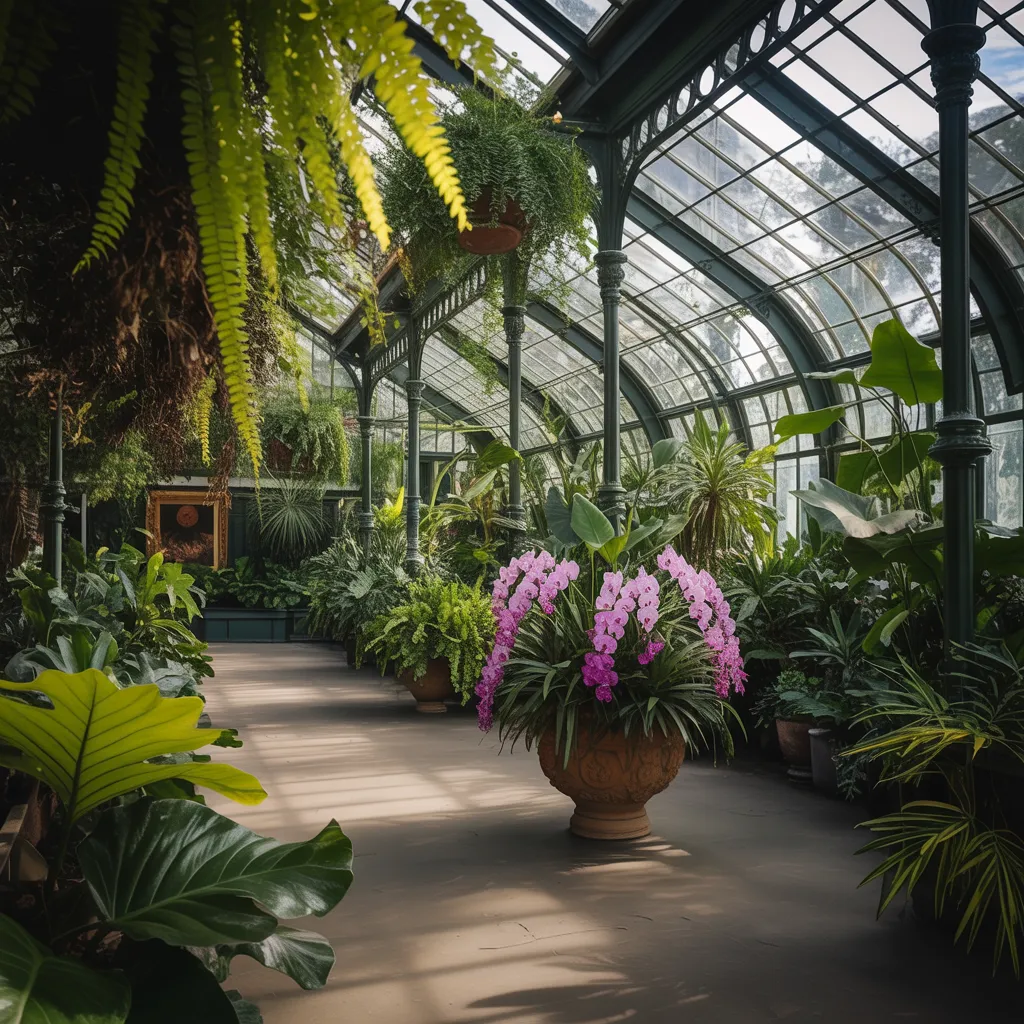
The Story Behind Royal Botanic Gardens
Notable milestones, such as the expansion during the Victorian era, helped establish their status as cultural landmarks. Architects and landscape designers were instrumental in shaping the gardens, combining natural beauty with artistic design. Today, the Royal Botanic Gardens not only serve as a sanctuary for plant conservation but also as a venue for community engagement and education, representing the lasting relationship between humanity and the natural world.
Seasonal Points of Interest to Enjoy All Year
All year round, those visiting the Royal Botanic Gardens can enjoy a diverse array of seasonal highlights that showcase the magnificence and range of plant life. Spring ushers in vivid blooms, with cherry blossoms and tulips adorning the landscape in a kaleidoscope of hues. As summer draws near, verdant greenery and sweet-smelling flowers, such as roses and lilies, thrive, creating a beautiful backdrop for relaxing walks.
The autumn season turns the gardens into a canvas of warm hues, as maples and oaks display their breathtaking foliage. Guests can experience the crisp air while experiencing nature's evolution. In winter, the gardens present a peaceful atmosphere, with evergreen plants offering form and elegance against a backdrop of frost-covered landscapes. Seasonal events, such as flower shows and guided tours, enrich the experience, enabling guests to enjoy the continually shifting splendor of the gardens throughout the year.
Uncovering Rare Plant Species From Around the Globe
The Royal Botanic Gardens give visitors the opportunity to examine the incredible diversity of plant species discovered across the globe. Unique flora from tropical rainforests exhibits special adaptations, while desert plants reveal extraordinary resilience in harsh conditions. This exploration highlights the intricate relationships between plants and their environments.
Uncommon Plant Species of Rainforests
While exploring the lush reaches of rainforests, one observes a remarkable variety of rare flora, each species contributing uniquely to its ecosystem. Among these, the Rafflesia arnoldii is notable with its enormous, foul-smelling blooms, attracting specific pollinators. The vibrant, yet endangered, Corpse Flower (Amorphophallus titanum) releases a similar odor, showcasing nature's intriguing relationships. Additionally, the delicate Treetop Orchid thrives high above, depending on its host trees for survival. These plants frequently exhibit specialized adaptations, such as unique leaf structures and reproductive strategies, ensuring their survival in competitive environments. Conservation efforts are essential to preserve these extraordinary species from threats like deforestation and climate change, underscoring the importance of maintaining the intricate balance of rainforest ecosystems.
How Desert Plants Adapt
Even though water is تحقق من المقال in short supply in desert environments, a remarkable diversity of plant species has evolved unique adaptations that permit them to thrive under extreme conditions. Cacti, for instance, contain thick, fleshy stems that store water, while their spines minimize water loss and provide shade. Succulents, including aloe and agave, also preserve moisture within their leaves, enabling them to survive lengthy droughts. Many desert plants display a deep root system, reaching underground water sources, while others have shallow roots that quickly absorb rare rainfall. Moreover, some species have adapted by employing a CAM (Crassulacean Acid Metabolism) photosynthesis process, which minimizes water loss during daytime heat. These adaptations showcase the ingenuity of nature, showcasing how life survives in even the most challenging habitats.
How Research and Conservation Define Botanic Gardens
Research and conservation form the core mission of botanic gardens, guiding their efforts to protect biodiversity. By means of strategic efforts, these organizations confront the issues facing plant species and ecosystems. As a result, they provide substantial support for both research advancement and environmental sustainability.
Environmental Conservation Work in Gardens
Botanic gardens fulfill a vital purpose in conserving biodiversity, as they merge conservation and research to protect endangered plant species and their habitats. These gardens serve as living repositories, nurturing threatened flora and utilizing propagation techniques to secure their survival. Through seed banking and controlled breeding programs, they maintain genetic diversity, which is critical for resilience against environmental changes. Furthermore, botanic gardens cooperate with local communities and conservation organizations to restore natural ecosystems and educate the public about the importance of plant conservation. By organizing conservation-focused events and workshops, these gardens elevate awareness and foster a sense of stewardship among visitors. Finally, their comprehensive conservation efforts significantly support global biodiversity and ecological health.
Research Projects and Effects
Research efforts within plant gardens are closely connected with conservation efforts, improving the understanding of plant species and their ecosystems. These gardens serve as essential institutions for studying biodiversity, often emphasizing endangered plants and their habitats. Through cooperative efforts with universities and conservation organizations, they undertake field studies and genetic research, supporting global efforts to preserve flora. Data collected informs species restoration programs and habitat management strategies, demonstrating the gardens' role as living laboratories. In addition, public engagement through educational programs encourages awareness about ecological issues. By disseminating research findings, botanic gardens not only advance scientific knowledge but also inspire community action, demonstrating the interconnectedness of conservation and research in maintaining the planet's botanical heritage.
Which Activities Are Perfect for Every Age Group?
While exploring the Royal Botanic Gardens, visitors of all ages can engage in a variety of activities that enrich their experience. Families can participate in guided nature walks, where expert guides share fascinating facts about the flora and fauna. For younger visitors, interactive exhibits and scavenger hunts make learning exciting and captivating.
Art enthusiasts can locate inspiration in the gardens' beautiful landscapes, with chances for plein air painting and photography workshops offered throughout the year. Special seasonal occasions, such as flower festivals and outdoor concerts, provide entertainment that engages a wide audience.
Gardening workshops cater to those interested in cultivating their green thumbs, offering practical skills and knowledge. Furthermore, tranquil picnic spots welcome families and friends to unwind and appreciate the surrounding natural beauty. The Royal Botanic Gardens authentically present something for every guest, creating a memorable experience with each visit.
Guide to Planning Your Perfect Visit
To guarantee a smooth experience at the Royal Botanic Gardens, visitors should consider planning their visit ahead of time. First, consulting the gardens' official website for opening hours and any seasonal events is essential. This facilitates an optimal itinerary that aligns with personal interests, whether it be guided tours, workshops, or specific exhibitions.
Subsequently, travelers need to set aside ample time to explore the different sections of the gardens. Each area provides distinct flora and thematic displays, making a relaxed walk worthwhile. Moreover, considering the time of year can improve the experience; spring and summer typically showcase brilliant blooms.
Bringing appropriate gear, such as supportive footwear and weather-appropriate clothing, is recommended. Lastly, visitors may want to prepare a picnic to savor amidst the natural beauty, or check out the on-site eateries for refreshments. By following these tips, visitors can enhance their enjoyment and create lasting memories at the Royal Botanic Gardens.
Impact of Royal Botanic Gardens to Urban Ecosystems
Royal Botanic Gardens perform an important function in strengthening urban ecosystems, as they operate as green refuges amidst concrete landscapes. These gardens support biodiversity by offering habitats for numerous plant and animal species, fostering a delicate balance within urban environments. Through their extensive collections, they advance the conservation of native and endangered species, acting as crucial reservoirs of genetic diversity.
Moreover, Royal Botanic Gardens offer ecosystem services like air purification, temperature regulation, and stormwater management. Their diverse plant life removes carbon dioxide, reducing urban air pollution, while their green spaces aid in decrease city temperatures, countering the urban heat island effect. Additionally, these gardens often act as educational centers, enhancing awareness about sustainability issues and sustainable practices among urban populations. By integrating nature into urban planning, Royal Botanic Gardens not only beautify cities but also enhance their total ecological health and resilience.
Common Questions
What's the Optimal Time to See the Flowers in Bloom?
The optimal time to visit for blossoming flowers is springtime, typically from March to May. During this time, colorful blossoms and verdant greenery create a stunning display, drawing nature enthusiasts and photographers alike to admire the beauty.
Do the Gardens Offer Guided Tours?
Indeed, guided tours can be arranged at the gardens. These tours provide visitors with in-depth knowledge about various plant species and the garden's history, elevating the entire experience of visiting this picturesque natural space.
Am I Allowed to Bring My Dog to the Royal Botanic Gardens?
Dogs are typically not permitted in the Royal Botanic Gardens, aside from designated areas. Visitors should check specific guidelines to ensure compliance with the regulations regarding pets and enjoy their experience without any issues.
Is an Admission Fee Required to Visit the Gardens?
Access to the Royal Botanic Gardens is usually complimentary, permitting everyone to experience the sprawling green spaces and diverse plant collections freely. However, designated zones or exclusive events may require a fee.
Are There Any Events Scheduled During the Evenings or Weekends?
Certainly, multiple events occur during evening hours and weekends at the gardens. Such offerings frequently consist of guided visits, learning workshops, and seasonal festivities, enabling guests to connect with nature while experiencing a lively communal environment.